Crafting Your Culinary Legacy with a Recipe Books Planner Cooking Journal
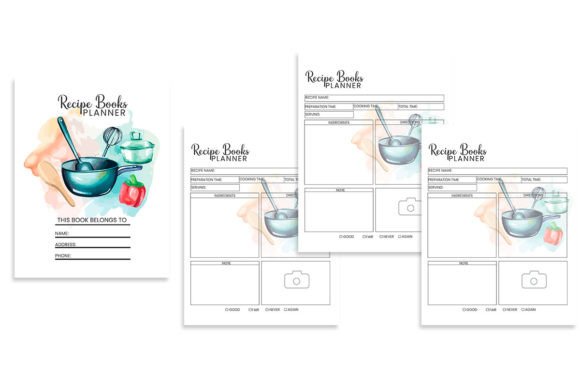
A well-organized collection of recipes does more than store instructions—it preserves traditions, sparks creativity, and streamlines daily cooking. Whether you are a home cook experimenting with new flavors or a professional chef curating a signature menu, a Recipe Books Planner Cooking Journal offers a dedicated space to capture every detail. This type of journal transforms scattered notes, clippings, and digital bookmarks into a coherent, personal cookbook. By providing structured templates for ingredients, directions, and even nutritional notes, it ensures no culinary insight gets lost. The downloadable package—featuring AI Files, PDF Files, SVG Files, High-Resolution CMYK Color, 300 DPI—gives users complete control over design and printing, making the journal a versatile tool for anyone serious about food.
Transforming Recipe Management into a Creative Workflow
Instead of relying on mental recall or messy folders, a dedicated planner turns recipe management into a repeatable system. The Recipe Books Planner Cooking Journal serves as both a creative canvas and an organizational framework. Users can log tried-and-tested dishes, note modifications, and plan future cooking sessions. This workflow supports multiple stages: from inspiration and testing to final documentation and sharing. For example, a baker might use the journal to track flour types, rising times, and oven temperatures across different batches, recording adjustments that lead to the perfect loaf. The structured layout encourages consistency, while the freedom to add sketches or photos allows for personal expression.
From Scattered Notes to a Structured Cookbook
Many people begin with a pile of handwritten cards, screenshots of online recipes, and bookmarked websites. Consolidating these into a single cooking journal requires a methodical approach. The planner’s fields for recipe name, cuisine type, prep time, cook time, and serving size create a uniform template. Over time, these entries form a comprehensive resource. For instance, a family cookbook might include sections for appetizers, mains, sides, and desserts, each with its own index. The journal’s design allows for cross-referencing—linking a pasta recipe to a specific sauce entry, or noting which dishes pair well with certain wines. This interconnectedness turns the journal into a dynamic reference tool.
The Role of Digital and Print Formats
Modern recipe planning benefits from both digital editing and physical copies. The included AI Files let users adjust layouts in Adobe Illustrator, changing fonts, adding graphics, or reorganizing sections before printing. PDF Files offer a ready-to-print format for those who prefer no editing, while SVG Files enable scalable vector graphics for custom covers or icons. With High-Resolution CMYK Color (300 DPI), printed pages look sharp and professional, whether you’re producing a single copy for personal use or multiple copies for gifts. This flexibility means the same journal can serve as a digital file on a tablet during cooking and as a printed notebook for handwritten notes.
Who Benefits from a Custom Recipe Planner?
The audience for a Recipe Books planner Journal. Cooking Journal spans diverse groups, each with unique needs. Understanding these user profiles helps highlight the journal’s versatility and practical value.
Home Cooks and Hobbyists
For individuals who enjoy cooking as a hobby, the planner becomes a repository of personal discoveries. A home cook might document variations of a classic chili recipe, noting spice levels and ingredient substitutions that worked well. The journal can also include weekly meal planning sections, helping to reduce food waste by organizing shopping lists around existing entries. Hobbyists often appreciate the ability to add personal annotations, such as the date a recipe was first made or the occasion it was served, turning the cooker into a memory book.
Professional Chefs and Culinary Educators
Chefs in restaurants or catering businesses use the planner to standardize recipes for staff training and consistency. A professional recipe entry might include exact gram measurements, plating instructions, and cost-per-serving calculations. The journal’s structured format streamlines these details. Culinary educators, meanwhile, can use the planner to design course curricula. For example, a cooking instructor might group recipes by skill level—beginner knife techniques, intermediate sauces, and advanced pastry work—assigning each class a set of recipes from the journal. The AI Files allow instructors to customize headers for course modules, while PDF Files provide handouts for students.
Small Business Owners and Product Creators
Entrepreneurs who sell packaged foods, spice blends, or meal kits can use the journal as a product development tool. Recording ingredient sourcing, batch yields, and packaging notes alongside recipes helps refine offerings. A small business owner might create a line of gourmet sauces, each entry including a field for shelf-life testing results. The High-Resolution CMYK Color attribute ensures that product mockups within the journal look vibrant, useful for pitching to retailers. Additionally, the SVG Files can be repurposed for labels or marketing materials, reducing design time.
Key Features of the Recipe Books Planner Cooking Journal Package
Understanding the technical specifications helps users maximize the journal’s potential. The download includes multiple file types, each serving a distinct purpose in the recipe planning workflow.
AI Files for Versatile Editing
The AI Files (Adobe Illustrator format) are ideal for users who want to modify the journal’s design. You can change color schemes to match your kitchen decor, add your own logo or cover art, or adjust column widths for more extensive notes. For instance, a food blogger might edit the AI file to include a “blog post URL” field, linking each recipe to an online article. The editable nature means the planner can evolve with your needs—adding a section for dietary tags (gluten-free, vegan) or seasonal indexes. These files require basic knowledge of vector editing, but tutorials are widely available for beginners.
PDF Files for Immediate Printing
For quick access, the PDF Files offer a no-fuss solution. They are ready to print on standard home or office printers, with preset margins and bleeds. The PDFs maintain all design elements, including the 300 DPI resolution, ensuring crisp text and graphics. Users can print single pages as needed—for example, printing a recipe card for a friend—or compile the entire journal at a copy center. The PDF format also works well with annotation apps, allowing digital handwriting on tablets like the iPad with Apple Pencil.
SVG Files for Scalable Design
SVG Files are vector graphics that scale without loss of quality, making them perfect for customizing covers, dividers, or icons. If you want to create a thematic cookbook—such as “Italian Family Favorites” or “Healthy Weeknight Dinners”—you can use SVG elements to add callouts like “Quick & Easy” or “Gluten-Free.” These files can be imported into design software or even used in web projects (e.g., a blog header featuring your journal). The scalability ensures that whether you’re printing a small label or a large poster, the graphics remain sharp.
High-Resolution CMYK Color and 300 DPI Quality
Professional printing relies on color accuracy and detail. CMYK Color mode is standard for physical printing, ensuring that on-screen colors translate accurately to paper. Combined with 300 DPI (dots per inch), images and text appear smooth and photographic. This is especially important for journals that include food photos or illustrations. A user might photograph a finished dish, insert the image into the planner, and print a page that looks like a magazine spread. The high resolution prevents pixelation, even for detailed herb drawings or small ingredient icons.
Practical Considerations for Using Your Recipe Journal
To get the most from a Recipe Books Planner Cooking Journal, think about how you’ll interact with it daily. Physical format, binding, and organization all affect usability.
Choosing the Right Binding and Paper
While the digital files can be used electronically, many prefer a printed copy. For a durable journal, consider spiral binding—it lays flat on the counter and allows pages to turn easily. Alternatively, a three-ring binder lets you add or remove pages, perfect for growing collections. Paper weight matters: heavy cardstock (80–100 lb) resists splatters and holds up to frequent handling. For a more elegant feel, matte or eggshell finishes reduce glare. The downloadable files include trim marks and bleeds, so you can hand the PDF to a professional printer with confidence.
Incorporating Photos and Illustrations
Visual references enhance a cookbook’s value. You can paste printed photos onto recipe pages, or use the SVG Files to add clipart of cooking tools. For a polished look, insert food photos using a photo editing software before printing. The High-Resolution CMYK Color ensures these images maintain their vibrancy. Some users sketch their plating ideas directly onto the journal, using the blank space next to directions. Over time, these visuals become part of the recipe’s story—comparing early attempts with perfected results.
Organizing by Meal Type, Season, or Difficulty
A well-organized journal saves time. Many users structure their cooking journal by meal type (breakfast, lunch, dinner, snacks). Others prefer a seasonal arrangement, highlighting summer salads or winter stews. Difficulty levels (easy, medium, advanced) help match recipes to available cooking time or skill. The planner’s index pages can be customized to list recipes under these categories, with page numbers for quick reference. For example, a busy parent might flag all recipes under 30 minutes, while a weekend cook focuses on complex baking projects.
Real-World Examples of Recipe Book Implementation
Observing how others use the Recipe Books Planner Cooking Journal illustrates its range. The following examples show diverse applications without being prescriptive.
A Family Heirloom Cookbook
Imagine a family gathering recipes passed down through generations. Each contributor writes their specialty using the planner: Grandma’s apple pie, Aunt’s biryani, cousin’s barbecue rub. The journal becomes a collaborative project, with photos from family dinners inserted in complementing pages. The AI Files allow for a consistent cover design, perhaps a hand-drawn tree representing the family lineage. When printed in multiple copies, each branch of the family receives a personalized heirloom. The 300 DPI resolution ensures the photos stay clear for years.
A Café’s Signature Dish Collection
A small café owner uses the journal to standardize their most popular items. Each recipe includes precise ingredient quantities, plating instructions, and supplier notes. For example, the entry for “Avocado Toast” specifies bread type, avocado ripeness, and seasoning blend. The owner prints the journal for staff training, using the PDF Files to produce laminated cards for the kitchen. Over time, the journal grows with seasonal specials—recorded in the same format, making it easy to repeat successful dishes. The SVG Files are used for menu icons, such as a chili pepper symbol for spicy items.
A Cooking Class Curriculum
A culinary instructor builds a 12-week course around the planner. Each week focuses on a theme—knife skills, sauces, pastry—with three recipes per class. The journal includes space for student notes, such as temperature adjustments or equipment substitutions. The instructor edits the AI Files to add a “Chef’s Tip” field, offering pro advice for each recipe. At the end of the course, students have a bound cookbook of everything learned. The high-resolution printing produces clean copies for distribution, and the editable files allow the instructor to update the curriculum each semester.
Enhancing Your Journal with Multimedia Elements
In a digital age, a purely print journal can still integrate multimedia features. The Recipe Books Planner Cooking Journal designs can be adapted to link with online resources, bridging physical and digital worlds.
Linking to Video Tutorials
For tricky techniques like deboning a chicken or piping macarons, include a QR code in the journal that links to a video guide. Generation of QR codes is simple; you can print them on labels and stick them into the freezer. This approach is especially useful for educators or for gifting journals to less experienced cooks. The videos can be hosted on personal channels or curated from reputable chefs. The journal thus becomes an interactive learning tool, combining written precision with visual demonstration.
QR Codes for Ingredient Sources
If you use specialty ingredients, a QR code can direct users to a supplier’s website. For example, a recipe calling for Mexican vanilla or specific chilies can link to an online store. This adds value for readers of a printed cookbook who want to reproduce the exact results. The SVG Files can be used to design decorative QR code frames that match the journal’s aesthetic. Over time, the journal may accumulate a network of resource links, making it a starting point for culinary exploration.
Ultimately, the Recipe Books Planner Cooking Journal is more than a collection of recipes—it’s a system for capturing culinary knowledge. Whether you print it at home, edit it in design software, or pass it to a professional printer, the high-resolution, multi-format package ensures your work looks its best. By thoughtfully organizing your recipes, noting what works and what doesn’t, and adding personal touches, you create a resource that grows in value over time. The journal adapts to your cooking style, whether you’re a meticulous baker, an improvisational cook, or someone who simply wants to remember that perfect pasta dish from last summer.