How Multicolored Graph Grid Paper Transforms Note-Taking and Daily Planning
The Evolution of Graph Paper: From Monochrome to Multi-Colored
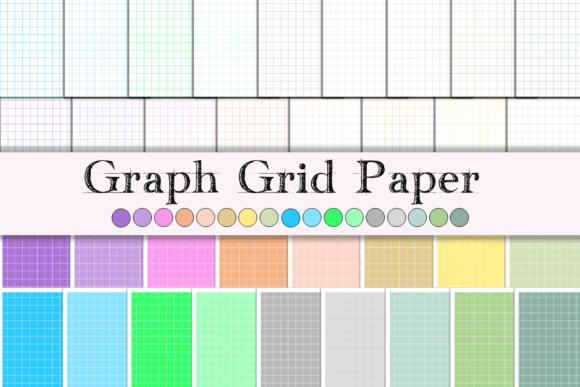
For decades, graph paper was defined by its predictable blue or black grid lines on a white background. While functional, this monochrome approach limited how users could visually organize information. The rise of multicolored graph grid paper has fundamentally changed what a simple grid can do. By introducing multiple hues into the graph structure—whether through pastel backgrounds, rainbow line sequences, or color-coded axis zones—this paper becomes a dynamic tool for visual thinking. Users no longer see just a grid; they see a customizable framework that can represent categories, priority levels, or time blocks at a glance. The shift from uniform to chromatic grids reflects a broader understanding that color enhances memory retention, pattern recognition, and task differentiation.
Why Color Matters in a Grid System
The human brain processes color information faster than text or shape alone. When you apply multicolored graph grid paper to note-taking, each color can carry a distinct meaning. For instance, a warm red grid section might denote urgent tasks, while cool blue areas indicate long-term planning zones. This natural semantic coding reduces cognitive load because you do not have to read every line to grasp the structure. In educational settings, students can use different grid colors to separate subjects—green for science, yellow for literature, orange for math—making marginal notes and diagrams instantly contextual. Professionals engaged in data plotting or project management benefit from multi-colored printable graph paper because trend lines, budget categories, or timeline phases become self-explanatory without extra labels.
Students and Researchers
When studying complex subjects like biology, chemistry, or economics, multicolored graph grid paper allows you to draw graphs, charts, and diagrams with built-in color references. A student plotting enzyme reaction rates can assign one color to pH levels and another to temperature, making the visual comparison immediate. For research notes, color-coded grids help separate hypotheses, experimental data, and conclusions without flipping pages. The ability to print or download such paper in digital formats means students can edit the grid colors in software like PowerPoint or Photoshop before printing, adapting the palette to their specific study system.
Creative Professionals and Hobbyists
Graphic designers, web developers, and artists often use grid systems for layout planning. Multicolored printable graph paper adds an extra layer by letting them test color combinations right on the grid. A designer mapping a website's wireframe can use one grid color for headers, another for sidebars, and a third for interactive elements. This approach merges structural planning with color theory exploration. Hobbyists creating cross-stitch patterns, pixel art, or geometric mandalas also find that multi-colored grid paper reduces the need for separate color keys—the grid itself suggests the palette.
Business Owners and Managers
Entrepreneurs and managers rely on structured planning tools. Bullet journal pages and planner inserts that incorporate multicolored graph grid paper become powerful scheduling assets. A manager can use a weekly spread where each day's column has a subtly different grid tint, making it easier to track appointments across weekdays without losing place. For project timeline planning, colored grids allow you to color-code phases directly on the page—red for critical milestones, green for completed items, yellow for in-progress tasks. These visual cues accelerate decision-making during team meetings.
Digital Download Formats: Tailoring Your Graph Paper Experience
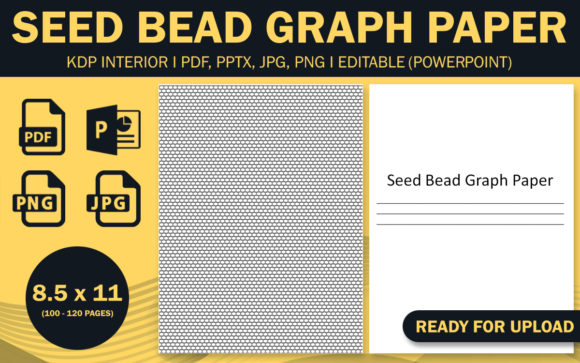
One of the most versatile aspects of modern multicolored graph grid paper is its availability as a digital download. When you purchase a set on platforms like Amazon KDP, you typically receive a ZIP archive containing multiple file formats: PDF, PNG, EPS, and PPTx templates. Each format serves a different workflow. The PDF is ready for immediate printing or digital annotation on tablets. The PNG is ideal for importing into note-taking apps like Goodnotes or Notability. The EPS vector file allows infinite scaling without resolution loss, perfect for designers who want to embed the grid into larger layouts. The PPTx template enables users to edit grid colors directly in PowerPoint or Google Slides, adjusting the palette to match a brand or personal preference.
All files in such packages are compressed into a ZIP file, which requires extraction using software like WinRAR or WinZip. This compression keeps the download size manageable while preserving high resolution. The standard resolution is 300 DPI, ensuring crisp lines even when you print on high-quality paper. The page size is typically 8.5 × 11 inches (21.6 × 27.9 cm), matching standard US letter paper, though the vector format can be resized without distortion. With 17 editable colors, users can create customized palettes that range from vibrant rainbow sequences to subdued pastels, making the paper suitable for both professional reports and personal bullet journals.
Design Considerations for Printable Graph Grid Paper
When selecting or creating multicolored printable graph paper, several factors influence usability. The grid density—measured in squares per inch or centimeters—should match the intended task. For detailed plotting (engineering, data analysis), a fine grid (e.g., 10 squares per inch) is ideal. For general note-taking or bullet journaling, a larger grid (5 squares per inch) provides more writing space per cell. Many downloadable sets offer multiple grid sizes within the same PDF, giving users flexibility without needing separate files.
Color contrast is another critical aspect. The grid lines must remain visible enough to guide alignment but not overpower the user's own writing or drawings. High-quality 300 DPI renders ensure that colors are sharp and gradients smooth. It is also helpful to choose a set that includes both vibrant and muted versions of each color, so you can select based on whether you plan to write dark content or prefer a softer background. The editable PPTx format lets you adjust hue, saturation, and even change individual line colors, so you are not locked into a preset scheme.
Page Count Options
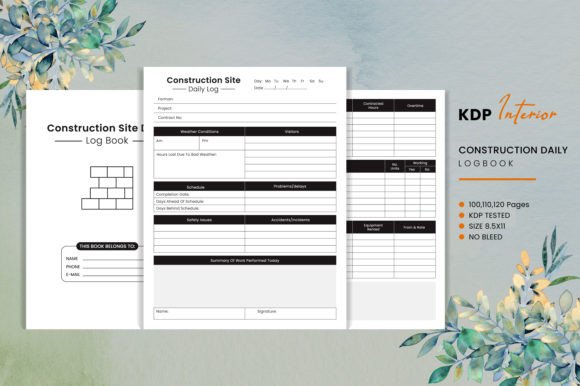
Digital downloads often offer multiple page counts—100, 110, or 120 pages. These counts are designed to cover different usage periods. A 100-page notebook equivalent might last a quarter for a moderate user, while 120 pages suit someone who fills a page daily. The flexibility means you can print only the pages you need or compile a custom notebook by binding selected sheets. Since the files are digital, you can also reuse the same template indefinitely by printing or annotating anew each time.
Integrating Graph Paper into Bullet Journals and Planners
Bullet journal enthusiasts often build their own layouts from scratch. Multicolored graph grid paper simplifies this process because the grid serves as both a guide for drawing lines and a visual separator when using different colors. You can create a monthly calendar by letting the grid cells represent days, with a light blue overall grid and red lines marking weekends. For habit trackers, assign one color to each habit—for example, a green grid area for exercise, orange for reading. The colored grid removes the need to draw thick borders; the color itself delineates zones.
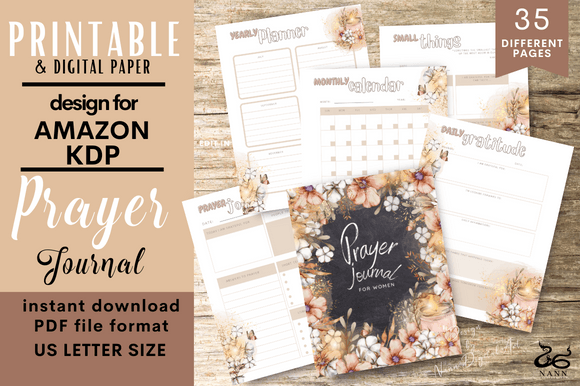
Planner inserts benefit similarly. A typical daily planner insert might include a timeline on the left and a task list on the right. With multicolored graph grid paper, you can color the timeline column in a warm hue to separate it from the task section, which stays in neutral gray. This visual separation speeds up scanning during a busy day. Moreover, because the inserts are available as digital downloads, you can edit the color scheme seasonally—pastels for spring, earthy tones for autumn—without purchasing a new physical notebook.
- White space management: Colored grids help you see at a glance which areas of a spread are filled versus empty.
- Key reduction: The grid itself becomes a legend, minimizing the need for manual color keys.
- Adaptability: Print one page per spread or combine multiple grid colors on a single sheet using the editable PPTx template.
Tips for Maximizing Your Multicolored Graph Paper Downloads
To get the most out of a digital graph paper purchase, start by unzipping the archive and organizing the files by format or color scheme. Use the PDF version for quick printing—choose the color set that matches your current project. For long-term planning, open the PPTx template and customize the grid colors to create a consistent system you will use across weeks or months. Save that customized version as a new template. You can also import the PNG files into digital note-taking apps: set the image as the background layer and write over it with a stylus. This method keeps the grid permanently in place while your notes remain editable.
Printing at home requires attention to paper quality. Standard printer paper works fine, but using a heavier weight (24 lb or more) reduces show-through and enhances the vibrancy of colors. If you plan to bind the pages into a notebook, consider the 120-page option to have a substantial volume. For digital note-taking, the 300 DPI ensures that when you zoom in on a tablet, the grid lines remain smooth rather than pixelated. Lastly, always test-print one page to adjust color balance on your printer before running the full set.
The Future of Printable Planning Tools
The move toward multicolored graph grid paper reflects a larger trend in personal organization: tools that combine structure with customization. As more people adopt hybrid paper-digital workflows, the ability to download a single ZIP file containing PDF, PNG, EPS, and PPTx templates becomes invaluable. Users are no longer limited by what a store shelves; they can design their own planning ecosystem. Emerging preferences include interactive PDFs with hyperlinks (coming soon to many digital planners) and grid papers that incorporate different geometric patterns—dots, hexagonal, isometric—alongside the colored grids. Multicolored graph grid paper sits at the intersection of artistry and utility, giving anyone from a high school student to a corporate strategist a canvas that responds to their visual language.