Library Book Tracker KDP Interior
Keeping track of borrowed books, personal collections, or lending history can quickly become a messy affair. Whether you run a small community library, manage books for a school, or simply love lending your favorite titles to friends and family, a structured system makes all the difference. The Library Book Tracker KDP Interior offers a ready-to-upload solution for publishers and creators who want to produce a professional, functional book tracker that people can actually use. Instead of starting from scratch, you get a complete interior design that is polished, tested, and optimized for Amazon Kindle Direct Publishing (KDP) and other print-on-demand platforms.
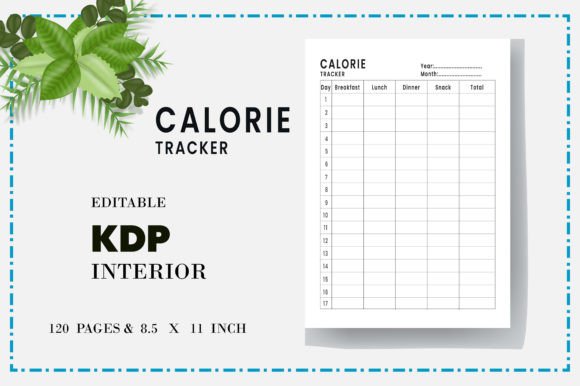
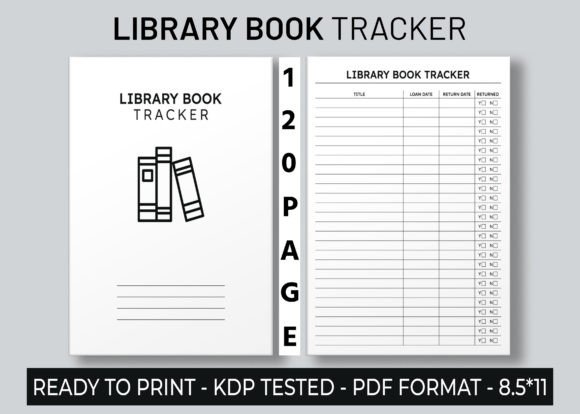
This digital file set is designed with publishers in mind. The files are already done for you, so there is no need to spend hours adjusting margins, bleeds, or layouts. You receive an editable AI file, high-resolution PDF and PNG files, a standard 8.5 x 11-inch trim size, 120 total pages, an intro page, and everything is KDP-tested with bleed ready for upload. In short, it removes the technical friction from book creation and lets you focus on what matters: delivering value to your readers.
What Makes a Book Tracker Interior Useful?
A book tracker is more than just a log. It helps individuals and organizations maintain order, remember who borrowed what, and keep tabs on due dates or condition notes. For a personal library, it can prevent the awkward moment of forgetting which friend has your copy of a beloved novel. For a small business or educator, it provides a simple paper-based system that does not rely on apps or internet access. The Library Book Tracker KDP Interior turns this concept into a tangible product that end users can hold, write in, and rely on day after day.
The practical benefit here is clarity. Without a tracker, book lending becomes informal and prone to oversight. With a dedicated interior layout, every entry has a place for the book title, borrower name, date borrowed, date returned, and notes. This structured approach reduces errors and saves time when you need to look up past transactions. For publishers, offering this kind of utility in a print format meets a real need in a market saturated with digital-only solutions.
Who Benefits Most from This Interior Design?
Publishers and content creators who serve niche audiences will find this interior particularly valuable. If you are building a line of productivity or organizational journals, a book tracker is a natural extension. Educators setting up classroom libraries, small business owners who maintain a lending shelf for professional resources, and hobbyists who run book clubs or community swap events all benefit from a ready-made layout. The Library Book Tracker KDP Interior appeals to anyone who values simplicity and reliability over complex software.
Consider a teacher who manages a classroom library of two hundred books. Without a tracking system, books disappear or get misplaced by the end of the term. A printed tracker tucked into a binder or placed on a clipboard becomes the go-to reference. Similarly, a freelance writer who lends research materials to collaborators can log each transaction quickly. The interior design supports these scenarios by providing enough pages—120 total—to cover extensive use without running out of space too soon.
Practical Outcomes for Publishers and End Users
From a publisher's perspective, the primary outcome is a faster path to a market-ready product. The interior includes an intro page, which gives you a natural place to explain how to use the tracker or to brand the book with your own message. Since the files are KDP tested and include bleed, you avoid common upload errors that can delay publication or result in poor print quality. The 8.5 x 11-inch size is a standard format that works well for writing, and the high-resolution PDF and PNG files ensure crisp printing whether you use KDP or another POD service.
For the end user, the outcome is a dependable tool that works offline, does not require batteries, and stays private. A paper tracker cannot be hacked, lost in a cloud outage, or distract with notifications. This tangible quality matters to readers who are intentional about reducing screen time. The Library Book Tracker KDP Interior supports these preferences by offering a clean, uncluttered design that prioritizes function over decoration.
How the Included Files Simplify Your Workflow
The file package includes an editable AI file, which is a significant advantage if you want to customize the interior before publishing. Maybe you want to add your logo on the intro page, adjust a column label, or change the header font. The AI file gives you that flexibility without requiring you to redesign the whole layout from zero. The PDF and PNG files are high resolution and print-ready, so if you prefer to skip editing, you can upload them directly to KDP after a quick review.
Having all three formats in one purchase saves time. You do not need to convert files, worry about resolution loss, or hunt for compatible templates. The Library Book Tracker KDP Interior is built to eliminate those extra steps. This matters especially if you are producing multiple books and want to maintain a consistent workflow. The less time you spend on technical preparation, the more you can invest in marketing, content development, or expanding your catalog.
What the 120-Page Count Means in Practice
One hundred twenty pages is a balanced amount for a book tracker. It is substantial enough to feel like a complete product, but not so bulky that it becomes inconvenient to carry. Each page can be designed to hold multiple entries, so depending on your layout, users might log anywhere from 200 to 400 transactions before filling the book. This makes the interior suitable for both personal use and small-scale organizational use. A librarian at a small school might go through one tracker per academic year, while an individual reader could make it last several years.
If you are comparing options, think about how your audience will use the tracker. If they need to record more than just basic information—like book condition, genre tags, or rating—you might consider whether the page layout supports those extras. The provided design includes standard fields, and the editable file lets you tailor the entries if you want to expand the scope before publishing.
Why Bleed and KDP Testing Matter
Bleed is one of those technical details that inexperienced publishers often overlook. When a design includes bleed, the content extends slightly beyond the trim line so that after cutting, no white edges appear. The Library Book Tracker KDP Interior comes with bleed already applied, which means you can upload it directly without adjusting margins or worrying about rejection. KDP testing confirms that the file meets Amazon's specifications, reducing the risk of errors during review.
This testing saves you from the frustration of uploading a file only to receive a rejection notice. If you are new to print-on-demand, this alone can be worth the investment. Even experienced publishers appreciate the convenience of a pre-tested interior, especially when launching multiple titles in a short period. By using a file that is already compliant, you streamline your production cycle and maintain a steady release schedule.
Limitations and Fit Considerations
No product is perfect for every use case, and it is fair to note where this interior may not fit. If your target audience prefers a pocket-sized or half-letter format, the 8.5 x 11-inch size might feel too large for some users. Similarly, if you need a spiral-bound or lay-flat binding, the interior layout assumes standard perfect binding or saddle stitching as offered by KDP. The editable AI file does allow you to adjust trim size if you have the software skills, but the design is optimized for the standard letter size.
Another consideration is the level of customization you need. While the AI file is editable, users without Adobe Illustrator or compatible software may find it difficult to make changes. In that case, the PDF and PNG files work perfectly as is. If you want to rebrand the interior heavily or add unique features like a color-coded system, you might need to invest additional design time. The interior is designed to be practical and universal, so it suits general tracking needs rather than highly specialized workflows.
Practical Recommendations for Publishing
Once you download the files, review the PDF at full size to confirm that the layout matches your expectations. Check the intro page text and decide if you want to replace it with your own introduction or branding. The PNG files can be useful for previews, mockups, or social media images if you plan to market your book before launch. Upload the PDF directly to KDP, making sure to select the correct trim size and bleed setting in the setup wizard.
Consider pairing this interior with a cover that communicates organization and reliability. A minimalist cover with clear typography often works well for tracking books, as it suggests clarity and ease of use. If you have multiple trackers in your product line, using consistent cover styling helps build brand recognition. The Library Book Tracker KDP Interior gives you a solid foundation to create a professional book that users will trust and continue using.
Expanding Your Product Line with Trackers
If you are building a publishing business around planners, journals, and logs, adding a book tracker diversifies your offerings. Customers who buy reading journals and logbooks are often the same people who would appreciate a dedicated lending tracker. By cross-linking products in your descriptions and using keywords related to book organization, you increase the chances of upselling. The interior design is straightforward enough to appeal to a wide audience, yet specific enough to stand out among generic blank logs.
You can also produce variations like a home library edition with extra pages for notes or a classroom edition with a simplified layout for younger users. Because the AI file is editable, creating these variations does not require starting over. Small adjustments to headers or instructions can produce a different product while keeping the core structure intact.
Final Thoughts on Choosing a Ready-to-Use Interior
A ready-to-use interior like the Library Book Tracker KDP Interior serves a clear purpose: it reduces the time and effort needed to publish a functional, well-designed book. For publishers who want to serve an audience that values organization and simplicity, this is a practical tool. The included formats cover both customization and immediate upload, and the KDP testing removes guesswork. While it may not fit every niche—especially if you need a non-standard size or heavy customization—it handles most common scenarios effectively.
If your goal is to provide a useful product that helps people manage their book lending or personal library, this interior offers a reliable starting point. Focus on understanding who your readers are and how they interact with printed logs. Then use the editable elements to tailor the experience just enough to meet their needs. The rest of the work is already done for you.