Mood Tracker Printable Monthly Daily: Build Emotional Awareness
Tracking how you feel each day might sound simple, but it can change how you understand yourself. A mood tracker printable monthly daily sheet gives you a structured way to record your emotions, spot recurring patterns, and notice what lifts or lowers your spirits. Whether you're new to self-reflection or looking for a fresh tool to support your mental wellness routine, this printable offers a straightforward, visual method to stay connected with your inner world.
What a Mood Tracker Printable Monthly Daily Actually Does
Think of it as a journal designed for emotions, but faster and more visual. Each day, you note your predominant mood using colors, symbols, or short labels. Over a month, those daily entries form a clear picture: you can see which days were bright, which were heavy, and what events or habits might have influenced the shifts.
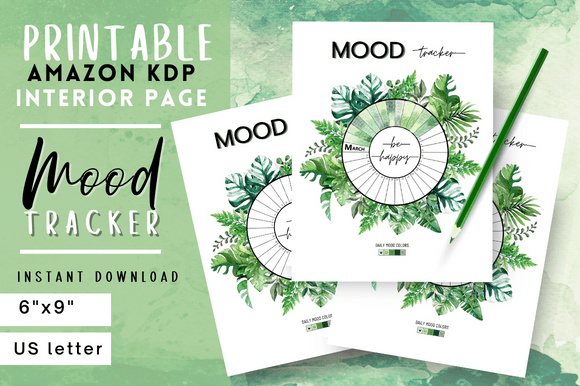
The printable from Nann Digital Art comes in two sizes: a compact 6x9 inches and a standard US letter size. That means you can choose a version that fits into a planner, a binder, or stand alone on your desk. The high-resolution files (300 dpi) ensure clean printing at home or at a local shop, and the ZIP folder includes both JPG and PDF formats so you can use the tracker exactly how you prefer.
Why People Turn to Mood Tracking
Emotions are complex, and it's easy to lose track of how you've been feeling over time. Without a record, you might assume you're always stressed or always fine, but the reality is often more nuanced. A mood tracker helps you replace guesswork with evidence. You might discover that certain days of the week tend to be harder, that your energy dips after social events, or that small wins like a good night's sleep correlate with brighter moods.
This awareness is useful for anyone: people managing anxiety or depression, those navigating life transitions, professionals balancing demanding careers, or simply curious individuals who want to understand themselves better. The tracker is not a replacement for professional help, but it can support therapy, coaching, or personal growth efforts by providing concrete data to reflect on.
From a practical standpoint, the process takes less than a minute each day. You don't need to write long entries. A quick color code or a simple word is enough. That low barrier makes it easy to stick with the habit over weeks and months.
Personal Use: Self-Reflection and Growth
Imagine you're a freelancer working from home. Your days vary widely between client projects, admin tasks, and personal time. You might notice that Mondays feel heavy because of back-to-back calls, or that creative work in the morning leaves you more satisfied than reactive tasks later in the day. A mood tracker helps you see those patterns without overthinking. Once you recognize them, you can make small adjustments: schedule creative work earlier, build breaks between calls, or protect your evenings for rest.
For someone going through a major life change like moving to a new city, starting a family, or recovering from burnout, the tracker offers a quiet anchor. It doesn't judge. It just records. Over time, you gain confidence in your resilience and clarity about what truly matters to you.
Professional and Creative Applications
Beyond personal use, mood trackers serve practical roles in therapy, coaching, and education. Mental health professionals often recommend mood tracking to help clients notice triggers and measure progress between sessions. A printable tracker is especially useful because clients can bring it to appointments, and the visual format makes it easier to discuss emotional trends.
Educators and homeschool parents can adapt the tracker for students learning about emotions, self-regulation, or mindfulness. It becomes a gentle daily check-in that builds emotional vocabulary and self-awareness from an early age. Similarly, bloggers and content creators focused on wellness can use a mood tracker as part of their own practice, then share examples with their audience to demonstrate the tool in action.
Small business owners and entrepreneurs might not immediately think of mood tracking as relevant to work, but emotional patterns directly affect decision-making, motivation, and collaboration. When you know that your mood tends to drop mid-afternoon, you can schedule high-stakes tasks for morning hours. When you notice that exercise correlates with better focus, you can prioritize movement even on busy days. The tracker becomes a quiet productivity tool disguised as a wellness practice.
What to Consider Before You Start
A mood tracker works best when it's simple and honest. You don't need to list every subtle emotion. Pick a set of colors or words that feel useful to you. Many people use green for good days, yellow for okay days, red for tough days, and maybe blue for calm or purple for creative energy. If that scheme works for you, great. If not, create your own. The design included in Nann Digital Art's set is clean and open, giving you plenty of room to adapt.
Another consideration is placement. Choose a spot where you'll see the tracker every day: beside your bed, in your planner, on your fridge, or near your desk. Visual reminders help turn tracking into a habit. If the tracker is hidden in a drawer, you'll likely forget to use it.
The digital format also offers flexibility. You can print the tracker at the beginning of each month or print several copies at once. Because it's a digital download, no physical product will be shipped, so you can start using it immediately after purchase. Keep in mind that colors on your screen may vary slightly from the printed version due to monitor settings, but the files are designed for consistent, high-quality output.
Getting the Most Out of Your Tracker
Consistency matters more than perfection. If you miss a day, don't worry. Just fill it in when you remember. Over time, the tracker becomes a personal archive of your emotional landscape. You might look back at a month and see that despite some difficult days, you also had many good ones. That perspective alone can shift how you view your life.
Some people like to combine mood tracking with journaling, gratitude notes, or habit tracking. You can keep the mood tracker separate or integrate it into a larger planner system. The two included sizes make that easier: the US letter version fits well in a standard binder, while the 6x9 size works for smaller notebooks or bullet journals.
If you share your living space, you can keep the tracker private or use it as a conversation starter with family or roommates. Some people find it helpful to have a shared family mood tracker where each person adds their own color. It can open gentle discussions about how everyone is doing without needing to ask directly.
Who This Printable Is For
This mood tracker suits adults aged 20 to 50 who want a clear, no-fuss tool for emotional awareness. Beginners will appreciate the simple layout and the flexibility of two sizes. Creators, freelancers, and small business owners can use it to track how their work habits affect their well-being. Therapists, coaches, and educators can recommend it to clients or students as a practical exercise. Hobbyists who enjoy journaling, planning, or self-improvement will find it a natural addition to their current routines.
The design from Nann Digital Art is intentionally straightforward so you can focus on the content, not on decoration. If you enjoy adding your own artistic touches like stickers, doodles, or washi tape, the printable leaves space for that too. It's a tool that adapts to your style rather than forcing you into a rigid system.
Starting Your Journey
Improved emotional balance doesn't happen overnight, but small steps accumulate into real change. A mood tracker gives you a way to take one of those steps daily. You'll start noticing what affects your mood, what helps you feel better, and where you might need extra support. Over months, you'll build a record that reflects your growth and resilience.
The downloadable ZIP includes two JPG files and two PDF files at 300 dpi, ready to print on your home printer or at a local print shop. Choose the size that fits your space and preferences. There's no complicated setup. Just download, print, and begin tracking. Each new month, you can print a fresh sheet and continue the practice.
Mood tracking is a small act of attention that can ripple into greater self-compassion, better decision-making, and a clearer sense of what you need to thrive. Whether you're here out of curiosity, a desire for change, or a commitment to staying balanced, this printable offers a gentle, effective way to follow through. Thanks for visiting Nann Digital Art, and enjoy the practice of understanding yourself one day at a time.