My Workout Log Book: A Practical Tool for Real Fitness Progress
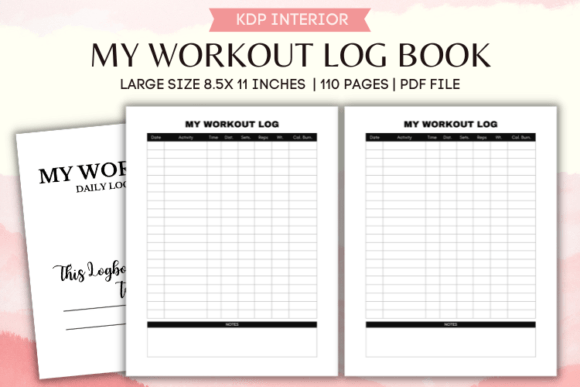
Tracking your workouts can feel like a chore, especially when you're already exhausted from a tough session. But here's the thing: people who write down their training consistently see better results than those who wing it. That's where My Workout Log Book comes in. This isn't just another notebook with a fancy cover. It's a 110-page PDF file designed to help you capture what matters most during your fitness journey.
Whether you're a freelancer squeezing in a lunchtime run, a busy professional hitting the gym before sunrise, or a gym-goer who's been lifting for years, this log book offers a straightforward way to keep your training organized. Let's explore what it does, how it works, and why it might be worth your time.
What Exactly Is My Workout Log Book?
At its core, this is a large-format PDF document measuring 8.5 by 11 inches. That means plenty of room to write, whether you're jotting down weights, reps, or notes about how a particular exercise felt. The book is divided into three main sections: cardio, strength training, and stretching. Each section provides dedicated space to log your activity, so you're not trying to cram everything into one generic page.
The PDF format gives you flexibility. You can print it out and use a pen, load it onto a tablet and write digitally, or even keep a digital copy for reference while you're at the gym. For anyone who values adaptability, that's a real advantage.
Purpose-Built Sections for Balanced Training
Most workout logs focus heavily on strength training, but My Workout Log Book treats cardio and flexibility with equal importance. That structure encourages a more balanced approach to fitness. If you're someone who tends to skip stretching or forgets to track your running, having a dedicated section nudges you to pay attention to all aspects of your training.
The strength training pages include fields for exercise name, sets, reps, weight, and notes. The cardio section lets you record duration, distance, intensity, and how you felt. The stretching pages give you room to note which stretches you performed and for how long. It's a simple but complete system.
Large Format for Real Usability
Small notebooks look cute, but they're frustrating when you're trying to write down a complex workout. The 8.5 x 11 inch size of this PDF means you're not fighting for space. You can write legibly, add extra notes, and even track multiple exercises on a single page without feeling cramped.
110 Pages of Consistent Structure
With 110 pages, you're covered for months of consistent training. The repetition of familiar layouts also helps build a habit. When you know exactly where to write what, logging your workout takes less than a minute. That speed matters when you're tired and just want to get out of the gym.
For Personal Fitness and Home Workouts
If you train at home, you might not have a trainer watching your form or pushing you to increase weight. That makes self-tracking essential. With My Workout Log Book, you can see exactly what you did last week and decide whether to add more weight, more reps, or more time. It acts as your personal accountability partner.
For example, if you're doing a home strength program three days a week, you can look back at your log and notice that your squat weight hasn't increased in four weeks. That observation alone can prompt a programming change that leads to real progress.
For Professionals and Creators with Tight Schedules
Entrepreneurs, marketers, and business owners often struggle to maintain consistent training. When your schedule is unpredictable, a log book can help you make the most of whatever time you have. If you only have 20 minutes, you can quickly scan your last entry and pick up where you left off, no wasted time deciding what to do.
Bloggers and content creators who write about fitness or productivity can also use this log book as a reference. Having real data from your own training makes your content more authentic and credible.
For Educators and Trainers
If you teach fitness classes or coach clients one-on-one, this PDF can serve as a useful resource. You can print copies for clients who want a simple way to track their training outside of sessions. The clear sections make it easy for beginners to understand, and the large format means less confusion. It also gives you, as a coach, a reliable record of what your clients have been doing, which is valuable for program adjustments.
For Digital and Commercial Environments
In a digital context, a downloadable PDF is easy to distribute, store, and access. There's no waiting for shipping, no inventory to manage. For commercial use, such as fitness studios or corporate wellness programs, you can provide this log book to members or employees as part of a broader health initiative. The clean, professional layout communicates that you take training seriously.
Better Awareness of Your Own Progress
One of the biggest obstacles to fitness success is forgetting how far you've come. When you're grinding through a hard workout, it's easy to think you're not making progress. But a log book doesn't lie. Looking back at entries from three months ago can show you clear improvements in strength, endurance, or flexibility. That visual proof is powerful motivation.
Improved Efficiency in the Gym
Knowing what you're doing before you walk in the door saves time. With your log book, you can plan your workout in advance and execute without hesitation. No wandering around wondering which machine to use or how many sets you did last time. This efficiency matters especially for busy people who can't afford to waste 10 minutes figuring out their routine.
Better Communication with Coaches or Trainers
If you work with a trainer, showing them your log book gives them concrete data to work with. Instead of relying on your memory, they can see exactly what weights you've been using, how your cardio has progressed, and where you're struggling. This leads to more targeted programming and faster results.
Practical Considerations When Using This Log Book
My Workout Log Book is a PDF, so you'll need a way to view and interact with it. If you plan to print it, a standard home printer or office printer will handle the 8.5 x 11 pages just fine. If you prefer digital use, a tablet with a stylus works well for handwriting notes. Some people also use annotation apps to type directly into the PDF.
Consider how you'll organize the pages. You might print the whole book and bind it yourself, or keep it in a three-ring binder so you can add extra sheets later. For digital users, creating a folder system by month or training cycle can help you stay organized.
Also think about how often you train. If you work out four to five times per week, 110 pages will last you several months. If you train less frequently, it could last a year or more. Either way, the volume is generous enough to support extended use without running out of space.
Recommendations for Getting the Most Out of It
Use the notes field in every section. That's where you can record things like how a particular weight felt, whether you were tired from a poor night's sleep, or if you tried a new exercise for the first time. Those small details add context to your numbers and help you make better training decisions down the road.
Don't skip the stretching section. Many people neglect flexibility work until they get injured. Using the designated pages to track your mobility work reinforces its importance. Even five minutes of logging can help you build a more complete fitness routine.
Review your log book regularly. Set aside 10 minutes once a week to look over your entries. Notice patterns. Are your weights going up steadily? Is your cardio improving? Are you consistently skipping stretching? These observations give you actionable information that you can use to adjust your training.
Finally, keep it accessible. Whether that means printing a copy and leaving it in your gym bag or saving the file on your phone's home screen, make sure you can reach it without friction. The easier it is to log, the more likely you are to do it.
Final Thoughts
Fitness tracking doesn't need to be complicated. My Workout Log Book offers a clean, practical system that works for a wide range of people and training styles. Its large format, dedicated sections for cardio, strength, and stretching, and generous page count make it a solid choice for anyone serious about tracking their progress. Whether you're a beginner trying to build consistency or an experienced gym-goer looking for a better logging method, this PDF can help you stay organized and motivated over the long haul.