Weekly Work Time Blocking: A Practical Approach to Managing Your Week
You sit down on Monday morning with a mental list of everything that needs to happen. Emails, a project deadline, a doctor’s appointment, grocery shopping, and that side hustle you keep pushing to “next weekend.” By Wednesday, half the items are still unresolved, and you’re already running on catch-up mode. Sound familiar? That scattered feeling often isn’t about laziness—it’s about how the week is structured. Weekly Work Time Blocking can help clarify what matters most and when you’ll actually do it.
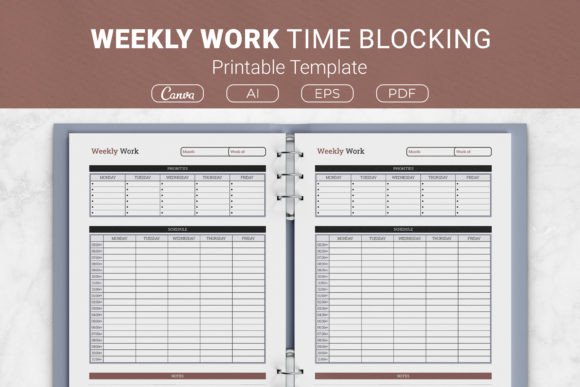
Instead of relying on vague to-do lists that stretch across indefinite hours, time blocking encourages you to assign specific tasks to specific time slots on specific days. It’s less about controlling every minute and more about giving your priorities a home in your calendar. The Weekly Work Time Blocking Printable Template is one way to make that practice tangible, but the mindset behind it is what truly drives change.
Where Time Blocking Shines in Real Life
Time blocking isn’t just for productivity gurus or corporate executives. It works in situations where focus feels fractured and the week slips away. Consider the freelancer who jumps between client calls, project work, and administrative tasks. Without boundaries, urgent items eat the creative time. A simple weekly layout where each day has a “deep work” block, a “admin” block, and a “communication” block can transform chaos into rhythm.
Then there’s the busy parent who juggles a full-time job, school drop-offs, and household errands. They might block out Tuesday evenings for meal prepping and Saturday mornings for bill paying. The act of writing those blocks down—especially on a printable sheet that sits near the fridge—creates a visual cue that these activities matter just as much as work projects.
Students also benefit. A college student balancing classes, study sessions, club meetings, and part-time work can use weekly time blocking to see exactly where their 168 hours go. Instead of cramming before exams, they reserve two hours each afternoon for focused revision. The template’s space for daily priorities helps them identify which subject needs urgent attention each morning.
Different Users, Different Wins
The strength of Weekly Work Time Blocking lies in how adaptable it is. An entrepreneur launching a product might use the template to break down launch tasks: Monday for supplier calls, Tuesday for social media content, Wednesday for packaging design. Meanwhile, a remote worker struggling with burnout can block in mandatory breaks and walking time, something a typical to-do list never enforces.
Even creative professionals—writers, designers, musicians—find that time blocking protects their flow. They might designate Thursday mornings as “no meeting” slots reserved for brainstorming. The printable template’s notes section becomes a place to capture stray ideas that pop up during other tasks, so nothing gets lost.
Interestingly, the template works equally well for someone who is only trying to get a handle on household routines. A homemaker can list daily priorities like “deep clean kitchen” or “research vacation spots” alongside a schedule that includes school runs and yoga. The act of seeing everything on one sheet often reduces the mental load more than any digital app.
Practical Observations from Real Use
People often worry that time blocking leaves no room for spontaneity. In practice, the opposite can happen. When you deliberately schedule creative or restful activities, you actually create more freedom. One user mentioned that after blocking in “open think time” on Friday afternoons, she stopped feeling guilty about taking a long walk. The walk was on the schedule—it was planned.
Another observation: the template’s “priorities for each day” section helps shift mindset from reactive to proactive. Instead of waking up and asking “What do I need to do today?”, you already know your top three items. That small shift cuts decision fatigue dramatically.
Some users combine the printable with digital calendars. They block out the big chunks on the paper sheet and sync details in a calendar app. Others prefer the sheet to stay paper-only, finding that handwriting the blocks reinforces commitment. Both approaches work, and the template is designed to support whatever hybrid system you prefer.
What to Consider Before You Start
Weekly Work Time Blocking isn’t about packing every hour. The most common mistake is over-scheduling. If you allocate every minute of every day, any interruption feels like failure. Leave buffer blocks—15 to 30 minutes—between tasks. Also, accept that some blocks will be moved or deleted. The template is a guide, not a prison.
Another consideration: your energy levels vary across the week. Some people are sharpest early in the morning; others peak after lunch. Pay attention to that and align challenging tasks with high-energy hours. The template allows you to experiment with different arrangements until you find what sticks.
For those who share responsibilities (partner, team members, roommates), time blocking can become a communication tool. Putting “family meeting 7pm” or “project sync 10am” on the printed sheet means everyone knows what’s happening. It reduces the need to repeat yourself.
Strengths and Soft Edges
The biggest strength of using a printable template is tangibility. You can’t accidentally close a tab or ignore a notification. The sheet sits there, reminding you of your commitments. It’s also fully customizable: you can color-code, add stickers, or fold it into a binder alongside other planning pages.
A potential limitation is that paper doesn’t automatically adjust if plans change. If a meeting gets rescheduled, you have to manually cross out and rewrite. Some people love this because the act of rewriting reinforces the new plan. Others prefer digital tools for quick edits. For those users, the template includes a Canva link so you can edit digitally before printing, or even keep a digital version.
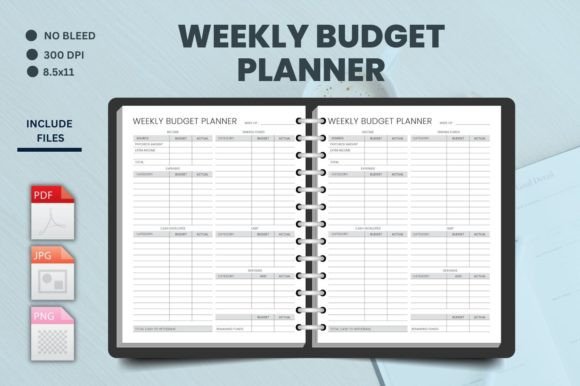
Additionally, the template comes in several sizes (US Letter, A4, 7.5x9.25, and 6x9) so it fits into planners, binders, or just sits standalone. The package also includes AI and EPS source files, giving designers the freedom to tweak colors, layout, or add branding if they plan to use it for KDP interiors or personal branding. That versatility means you aren’t stuck with a one-size-fits-all design.
Making It Work for You
The real magic of Weekly Work Time Blocking happens in the first few weeks of use. You might start with a packed schedule, realize Tuesday afternoons are always low energy, then swap a heavy task to Wednesday morning. Or, you might discover that you never need a full hour for emails—30 minutes is enough. The template becomes a mirror to your own habits.
Try keeping the printed sheet somewhere you see it multiple times a day: on your desk, in a kitchen planner, or inside your daily notebook. Use the notes section to jot down observations. Over time, you’ll refine your blocks until the schedule feels less like a constraint and more like a supportive framework.
Whether you’re a freelancer fighting distraction, a parent trying to carve out time for yourself, or a student aiming for better grades, this approach gives you a concrete way to honor your priorities. The Weekly Work Time Blocking Printable Template is a simple vehicle for that habit—but the real drive comes from your willingness to block out what actually matters and stick with it long enough to see the shift.