Etsy Shop Planner I KDP: A Practical Tool for Creators and Entrepreneurs
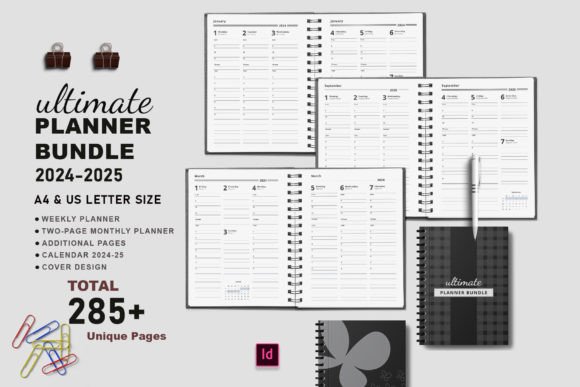
If you run an Etsy shop, juggle multiple product lines, or simply want to bring more structure into your creative workflow, you have likely searched for a planning system that actually fits how you work. The Etsy Shop Planner I KDP is designed for exactly that kind of situation. It is a downloadable PDF planner with 43 pages, formatted for A4, and ready to upload. But beyond the file format, what matters is how it fits into your actual day, your shop tasks, and the way you think about your business.
This article walks through what this planner is, where it fits into real life, and how different kinds of users might actually use it. No fluff, no generic promises. Just practical observations and scenarios based on how people like you manage their shops, their ideas, and their time.
What the Etsy Shop Planner I KDP Actually Offers
At its core, this planner is a set of printable pages that help you track, plan, and review your Etsy shop activities. It includes 43 A4 pages in a PDF file that you can upload and print yourself. The content focuses on the kinds of decisions and tasks that come up when you run a shop on Etsy, especially if you also use Kindle Direct Publishing (KDP) as part of your product strategy.
The planner does not try to be everything for everyone. Instead, it targets the specific rhythm of a shop owner who needs to manage listings, track orders, plan content, and stay on top of seasonal trends. The pages are meant to be used, not just looked at. That distinction matters because a planner only helps if it becomes part of your routine.
Who Will Find It Most Useful
The audience for this planner is broader than you might think. Yes, it helps Etsy sellers. But it also works well for:
- Freelancers and side hustlers who sell digital products or printables on Etsy
- Small business owners who use Etsy as one of several sales channels
- Bloggers and educators who create and sell digital resources
- Hobbyists who want to turn their craft into a more organized effort
- KDP publishers who also maintain an Etsy storefront
Each of these groups has slightly different needs, but they share a common challenge: keeping track of multiple moving parts without losing sight of the bigger picture.
Where and When People Use This Planner
One of the strengths of the Etsy Shop Planner I KDP is that it fits into different environments. You do not need to be at a desk with a complicated system. The PDF format means you can print what you need when you need it, or keep it on a tablet if you prefer digital notes.
At Home, in a Home Office
For many Etsy sellers, the home doubles as the workspace. A corner of the living room, a spare bedroom, or even the kitchen table becomes the command center. In that setting, having a printed planner that you can flip through during a coffee break or while waiting for a listing to upload is practical. The A4 size is big enough to write in without straining your eyes, but still easy to store in a folder or binder.
During Product Research Sessions
When you are researching what to sell next, you often have browser tabs open, notes scattered across apps, and ideas scribbled on random paper. The planner gives you a single place to capture those ideas, compare them, and decide which ones to pursue. This is especially useful when you are looking at seasonal trends, competitor shops, or keyword opportunities.
While Planning Monthly or Quarterly Goals
Many shop owners sit down at the start of each month to plan their listings, promotions, and content. The planner supports that habit with pages designed for forward-looking planning. Instead of reacting to whatever comes up, you can map out what you want to achieve and break it into manageable steps.
During Order Fulfillment and Customer Communication
If you handle orders yourself, you know how easy it is to lose track of who ordered what, especially during busy periods. The planner includes sections that help you track orders, note customer preferences, and follow up without scrambling through email threads.
Real Scenarios: How Different Users Might Apply This Planner
To make this more concrete, let me walk through a few realistic scenarios. These are not hypotheticals. They are based on the kinds of situations that actual shop owners face.
Scenario A: The KDP Publisher Who Also Sells on Etsy
Imagine you publish low-content books on KDP, like journals, planners, or notebooks. You also sell related digital products on Etsy, such as printable inserts or cover templates. Your week involves checking KDP royalties, updating Etsy listings, creating new products, and responding to customer messages. Without a system, you might spend too much time on one channel while neglecting the other.
The planner helps you allocate time and attention across both platforms. You can use the planning pages to decide which days you focus on KDP tasks and which days you focus on Etsy. You can also track which products are performing best on each platform, making it easier to decide where to invest your creative energy next.
Scenario B: The Part-Time Seller with a Full-Time Job
You work a 9-to-5 but run an Etsy shop on the side. You sell handmade items, digital downloads, or curated vintage goods. Your time is limited, so every minute counts. The planner gives you a way to prioritize tasks without feeling overwhelmed. You can use it to identify the top three actions you need to take each week, whether that means photographing a new product, optimizing a listing, or restocking supplies.
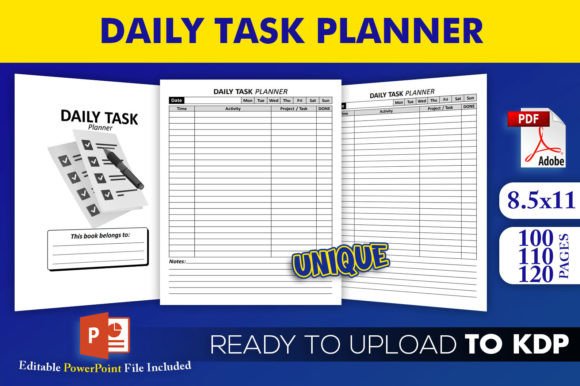
Because the planner is 43 pages, you are not committing to a massive system. You can print just the pages that matter to you right now, like a weekly task tracker or a listing review sheet. Over time, you can add more pages as your shop grows.
Scenario C: The Educator Who Creates Printables
You are a teacher or tutor who creates educational printables and sells them on Etsy. Your shop includes worksheets, flashcards, and lesson planners. Your challenge is balancing creation time with marketing and customer support. The planner helps you track which products need updates, which ones are seasonal, and which ones could be bundled into a larger set.
You can also use the planner to plan your content calendar, aligning new releases with school terms or holidays. This kind of forward planning makes a huge difference when you want to capture timely search traffic.
Scenario D: The Freelance Designer Building a Brand
You are a graphic designer who sells templates, branding kits, and social media assets on Etsy. You also offer custom design services. Your planner becomes a place to track client projects, brainstorm new product ideas, and review which listings are generating the most interest. The review pages help you spot patterns, like which styles or colors are trending, so you can create products that match demand.
What to Consider Before Using or Buying This Planner
While the Etsy Shop Planner I KDP is a flexible tool, it works best when you approach it with a clear idea of what you want to track. Here are a few things to think about before you start using it.
Your Current Planning Habits
If you already have a system that works, the planner can complement it. If you do not have any system, the planner can be a starting point. But a planner only helps if you use it consistently. Consider setting aside 10 to 15 minutes at the start of each week to fill in the relevant pages. That habit alone can shift your shop from reactive to proactive.
Your Specific Shop Needs
Not every page will be relevant to every shop owner. That is fine. The beauty of a PDF planner is that you choose what to print. If you do not need the order tracking pages because you use a separate system, skip them. Focus on the sections that solve your actual problems, whether that is listing planning, goal setting, or content scheduling.
Printing and Storage
Since the file is A4, make sure your printer can handle that size. You can also print on US Letter if you adjust the settings, though the layout is optimized for A4. Think about where you will store the printed pages. A ring binder, a clip folder, or even a simple stack on your desk can work. The key is keeping them accessible so you actually refer to them.
Digital Use Options
If you prefer digital planning, you can upload the PDF to a note-taking app like GoodNotes, Notability, or OneNote. This allows you to write on the pages with a stylus or type notes directly. Digital storage also makes it easy to search for specific entries later. This option is especially useful if you want to keep everything on your tablet or laptop.
How Features Connect to Real Outcomes
Rather than listing features mechanically, it is worth looking at how specific parts of the planner translate into useful outcomes.
- Listing planning pages help you avoid rushed, last-minute listings. When you plan titles, tags, and descriptions in advance, you can optimize them more carefully, which often leads to better search visibility.
- Goal-setting sections give you a reason to check your progress. Instead of vague intentions, you have written targets that you can review at the end of the month. That feedback loop helps you adjust your strategy.
- Order tracking sheets reduce the mental load of remembering details. When a customer asks about their order status, you can find the information quickly, which improves your response time and customer satisfaction.
- Content planning pages let you align your social media posts, email updates, or blog content with your shop releases. This coordination can drive more traffic to your listings without extra effort.
Final Thoughts on Integrating This Planner into Your Workflow
The Etsy Shop Planner I KDP is not a magic solution that runs your shop for you. It is a practical set of pages that support the way you already work, or the way you want to work. The value comes from using it consistently and adapting it to your own context. Whether you are a seasoned seller or just starting to organize your shop, the planner gives you a framework that you can shape to fit your needs.
Start by printing a few pages that address your biggest pain point right now. Use them for a week. See if they help you feel more in control. If they do, add more pages. If they do not, adjust how you use them. The goal is not to fill every page. The goal is to make your shop run smoother and give you more mental space to focus on the creative work you enjoy.