The Ultimate Guide to Using a Recipe Template for Professional Cookbook Creation
Whether you are a seasoned chef compiling family heirlooms, a food blogger looking to self-publish, or a creative soul designing a custom gift, a recipe template printable template is the foundation of a polished, professional cookbook. The right template does more than just organize ingredients and instructions—it gives your work structure, consistency, and a visual identity that resonates with readers. In this guide, we will explore everything you need to know about choosing, customizing, and using a versatile template that can transform your recipe collection into a stunning, publication-ready book.
Imagine holding a cookbook where every page flows seamlessly, where margins are perfectly aligned, and where the design supports the content rather than distracting from it. That is the power of a well-designed recipe template. It eliminates guesswork, saves hours of formatting time, and ensures your final product looks as good as the food you are sharing. Let’s dive into what makes a template truly exceptional and how you can leverage one for your next project.
What Is a Recipe Template and Why Does It Matter?
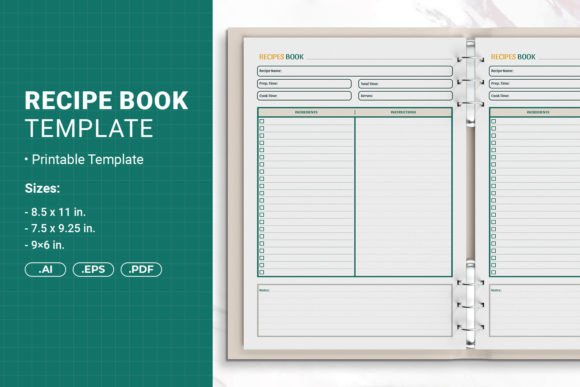
A recipe template printable template is a pre-designed layout that provides a consistent structure for each recipe page in your book. It typically includes designated spaces for the recipe title, ingredients list, step-by-step instructions, serving size, prep time, cook time, and often a notes section. At its core, the template acts as a blueprint, ensuring every page follows the same visual and functional logic.
The purpose of such a template is twofold. First, it streamlines your workflow. Instead of designing each page from scratch, you simply plug in your content, and the template does the heavy lifting. Second, it creates a cohesive reading experience. Readers subconsciously rely on consistent layouts to quickly find the information they need—whether that is the ingredient list or the cooking time. A jumbled, inconsistent layout, on the other hand, can frustrate users and undermine the credibility of your work.
In today’s world of self-publishing and print-on-demand, practical relevance is more important than ever. Platforms like Amazon KDP (Kindle Direct Publishing) have made it possible for anyone to become a published author. But they also demand that your book meets specific technical requirements, from bleed margins to safe zones for binding. A recipe template designed with these specifications in mind saves you from costly formatting errors and rejected uploads. Whether you are creating a personal binder of favorite recipes or aiming for a bestseller on Amazon, the right template is your first step toward success.
Understanding Template Sizes: Choosing the Perfect Fit for Your Project
One of the most critical decisions when working with a recipe template printable template is which size to choose. The package described offers three distinct sizes, each suited to different types of projects. Understanding their dimensions and typical use cases will help you make an informed choice.
8.5 x 11 Inches (215.9 x 279.4 mm)
This is the classic letter-size format, and it is the most versatile option. It is ideal for binders and three-ring folders, as it matches standard paper dimensions. If you plan to print your cookbook at home or through a local print shop, this size gives you the most widespread compatibility. The larger page area allows for generous margins, large fonts, and ample space for images or decorative elements. It is particularly well-suited for beginner-friendly cookbooks or projects where readability and spacious design are priorities. For classroom settings, community cookbooks, or family collections meant for everyday use, 8.5 x 11 is a practical, no-fuss choice.
7.5 x 9.25 Inches (190.5 x 234.95 mm)
This size strikes a balance between portability and readability. It is slightly smaller than letter-size, making it great for trade paperbacks and gift-style cookbooks. If you are aiming for a more traditional book feel rather than a binder, this format is a strong contender. It feels substantial in the hands but remains compact enough to fit on a kitchen shelf. Many self-published authors choose this size because it offers a professional appearance without being oversized. It works well for niche cookbooks, such as those focused on baking, smoothies, or regional cuisines, where you want a polished look without excess bulk.
6 x 9 Inches (152.4 x 228.6 mm)
The 6 x 9 format is the industry standard for many nonfiction books, including cookbooks. It is compact, portable, and highly professional. This size is perfect for Amazon KDP uploads because it falls within the most popular print-on-demand category. Readers are familiar with this trim size, and it fits comfortably on a kitchen counter or in a bag. If you are targeting a broad audience and planning to sell your cookbook online, 6 x 9 is often the safest bet. It offers enough room for clear text and moderate use of images, while remaining cost-effective to print and ship. Many serious self-publishers lean toward this size for its balance of aesthetics and economics.
File Formats and Technical Specifications: What You Get and Why It Matters
When you invest in a recipe template printable template, the package typically includes multiple file formats to accommodate different workflows. Understanding what each format offers helps you choose the right one for your specific tools and goals.
AI (Adobe Illustrator) Files – Open Source Flexibility
Adobe Illustrator (AI) files are vector-based, meaning they can be scaled to any size without losing quality. If you are comfortable with design software, AI files give you the most control. You can tweak every element—colors, fonts, spacing, and decorative graphics—to match your personal brand. The open-source nature of these files means you are not locked into a proprietary system. You can modify the template endlessly, making it a powerful tool for custom branding. For designers, illustrators, or anyone with access to Adobe Creative Cloud, AI files are the gold standard.
EPS (Encapsulated PostScript) Files – Universal Compatibility
EPS files are widely supported across many design programs, including older versions of Adobe software, CorelDRAW, and even some open-source vector editors. They preserve vector quality and are excellent for sharing across different platforms. If you collaborate with other designers or work in a mixed software environment, EPS ensures that everyone can access and edit the template. It is a safe, reliable format that bridges gaps between different design ecosystems.
PDF Files – Ready for Print and KDP Upload
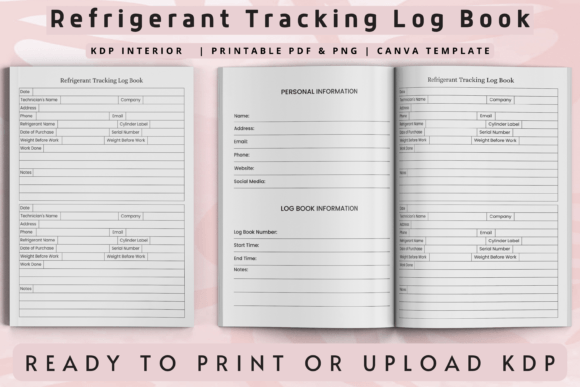
PDF is the most universal and reliable format for final output. The PDF files in this package come with bleed already applied, which is crucial for professional printing. Bleed refers to the extra margin (typically 0.125 inches or 3 mm) around the edges of each page that allows for slight shifts during cutting. Without bleed, your design elements might end up with white edges or be cut off altogether. By including PDFs set up with bleed, the template saves you from a common pitfall that causes many first-time self-publishers to have their books rejected by KDP or print houses.
Additionally, the template includes a safe margin for hole punching binding in the larger sizes. This means you can print the pages, punch holes, and place them in a binder without losing critical text or design elements. This dual-purpose design—print-ready for KDP and binder-friendly for personal use—makes the template exceptionally versatile.
Customizing Your Recipe Template for a Unique, Professional Look
While a template provides a strong starting point, the magic happens when you customize it to reflect your style and your content. Here are some practical tips for making the template your own:
- Choose a cohesive color palette that aligns with your food theme—earthy tones for rustic recipes, bright colors for fresh ingredients, or minimalist neutrals for modern cuisine.
- Select fonts that balance personality and readability. Use a decorative font for headings and a clean sans-serif or serif for body text. Avoid overly ornate typefaces that might be hard to read in a kitchen environment.
- Add your logo or a consistent header/footer to every page. This reinforces brand identity and makes your cookbook instantly recognizable.
- Incorporate line art or subtle background graphics that relate to your recipes—think herbs, utensils, or food illustrations. These can be placed in empty spaces to add visual interest without clutter.
- Adjust spacing for your specific content. Some recipes are short and sweet; others require more room for detailed instructions. The flexibility of vector files allows you to resize text boxes or move elements as needed.
Remember, the goal is not to over-design but to create a clean, distraction-free reading experience. Your readers should focus on the recipes, not on the layout. A well-customized template enhances comprehension and makes your cookbook feel intentional and premium.
Common Misunderstandings About Recipe Templates
Many novice creators assume that using a template means sacrificing originality. This is a common misunderstanding. A template is not a limitation—it is a framework for creativity. Just as an architect uses blueprints to build a unique house, you use a template to structure your content while still infusing it with your personality. The color scheme, typography, imagery, and even the arrangement of sections are all customizable.
Another misconception is that templates are only for non-designers. In reality, many professional designers use templates as starting points to save time on repetitive tasks. By beginning with a pre-built layout, they can focus their energy on the creative elements that truly matter—like custom illustrations or unique typography. Templates are efficiency tools, not crutches.
Some also worry that templates are too rigid or that they will look generic. The key is to choose a template that offers flexibility and variety, such as the one described here, which provides multiple sizes and editable file formats. When you can change fonts, colors, and spacing, the final result is anything but generic.
Practical Applications: From Personal Binder to Amazon Bestseller
The versatility of a recipe template printable template means it can serve a wide range of projects. Here are some real-world examples:
- Family cookbook for holiday gifts: Use the 8.5 x 11 size, print on high-quality paper, and place in a three-ring binder. Add family photos and handwritten notes for a personal touch. The hole-punch margin ensures nothing is lost when you bind the pages.
- Self-published cookbook for Amazon KDP: Use the 6 x 9 size with the PDF files that include bleed. This format is cost-effective to print and familiar to readers. Follow KDP’s guidelines carefully, and your template will help you meet them seamlessly.
- Classroom or community recipe collection: Use the 7.5 x 9.25 size for a balanced, portable book that can be distributed at events or sold as a fundraiser. The EPS files make it easy for multiple contributors to edit the template without compatibility issues.
- Digital download or email attachment: The PDFs can be shared electronically, making it easy to send your cookbook to friends, family, or subscribers. The consistent layout ensures it looks professional on any screen.
For bloggers and content creators, a cookbook template can also serve as a lead magnet or freebie. By offering a beautifully designed recipe card or mini-book, you can grow your email list while showcasing your design sensibility.
Why Professional Formatting Matters for Self-Publishing Success
Self-publishing has democratized the book industry, but it has also raised the bar. Readers expect a polished, professional product even from indie authors. Poor formatting—uneven margins, missing page numbers, inconsistent heading styles, or images that bleed into the gutter—can make a great cookbook feel amateurish. It also leads to negative reviews and returns.
A recipe template that is ready for print or upload to Amazon KDP PDF with Bleed eliminates these risks. The bleed ensures that your background colors or images extend to the very edge of the page after trimming. The safe margins protect your text from being cut off or hidden in the binding. And the consistent layout guides the reader’s eye naturally from ingredient list to instructions. In a crowded marketplace, these details are what separate a bestseller from an overlooked file.
Moreover, using a template reduces the time you spend on technical formatting, freeing you to focus on what truly matters: writing clear, delicious recipes and connecting with your audience. Whether you are a first-time author or a seasoned publisher, a high-quality template is an investment in your book’s success.
Final Thoughts: Building a Broader Understanding of Cookbook Creation
Creating a cookbook is about more than just collecting recipes—it is about sharing a piece of your culinary world with others. A recipe template printable template gives you the structure to do that with confidence. From choosing the right size to understanding file formats, from customizing your design to ensuring print-ready precision, every step of the process is simplified when you start with a solid foundation.
The template described here offers everything a self-publisher or home cook could need: three sizes, open-source design files, universal EPS compatibility, and PDFs ready for print or KDP upload. It respects the need for safe margins and bleeding edges, while still allowing for endless personalization. Whether you are creating a binder full of family favorites or launching a commercial cookbook on Amazon, this is the kind of tool that turns a daunting project into an enjoyable, manageable process.
So go ahead—choose your size, open the files, and start designing. Your recipes deserve a showcase that is as thoughtful and delicious as the food you make. With the right template, you are already halfway there.